
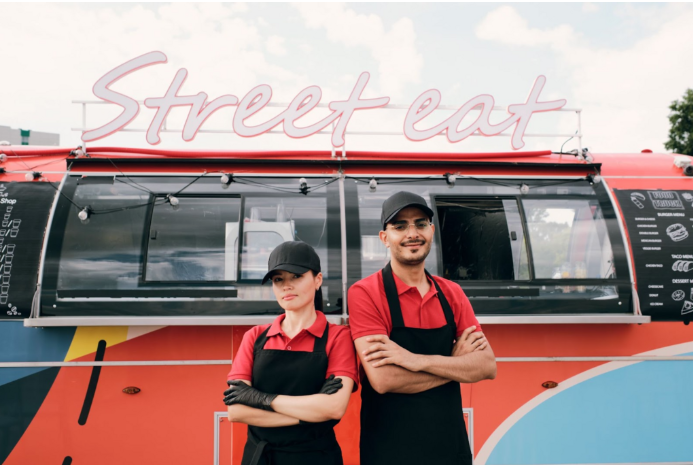
In the competitive world of mobile food service, standing out from the crowd isn’t just an option; it’s a necessity. Your mobile food trailer serves as both your kitchen and your most powerful marketing tool, making effective branding crucial for success.
The visual impact of your trailer creates the first impression customers have of your business, often determining whether they’ll stop to try your offerings or keep walking. Whether you’re launching a new venture or revamping an existing operation, understanding how to brand your food trailer can make the difference between blending in and becoming a local sensation. This comprehensive guide will walk you through the essential steps to transform your mobile kitchen into a branded powerhouse that attracts customers, builds loyalty, and drives revenue.
Page Contents
Understanding the Power of Visual Branding
Visual branding for food trailers goes far beyond simply adding a logo to your vehicle. It encompasses every visual element that customers encounter, from color schemes and typography to the overall design aesthetic. When done correctly, your branded trailer becomes a moving billboard that generates interest wherever it parks.
Research shows that consumers form first impressions within seconds of seeing a business, and for mobile food operations, this snap judgment often determines whether someone becomes a customer. Your trailer’s appearance communicates your food quality, service standards, and overall professionalism before anyone tastes a single bite.
Essential Elements of Mobile Food Trailer Design
Creating an effective design for your mobile food kitchen trailer requires careful consideration of multiple elements working together harmoniously. The exterior wrap or paint job serves as your canvas, but successful branding integrates numerous components into a cohesive whole.
Key design components include: • Logo placement and sizing for maximum visibility • Typography that reflects your brand personality • Graphics and imagery supporting your culinary concept • Strategic use of white space to avoid visual clutter
Your logo acts as the centerpiece of your brand identity, anchoring all other design elements. It should be scalable, working equally well on business cards and the side of your trailer. The layout must balance aesthetic appeal with practical considerations like service windows, door placement, and equipment requirements.
Creating a Memorable Brand Identity
Developing a brand identity that resonates with your target audience requires understanding both your unique value proposition and customer preferences. Start by defining your brand personality through key attributes that describe your business. Are you playful and family-friendly, sophisticated and gourmet, or health-conscious and eco-friendly?
Your brand story should inform every design decision, creating consistency across all touchpoints. This narrative helps customers connect emotionally with your business, transforming casual buyers into loyal advocates. Consider how successful food trailer mobile kitchen operations use storytelling to differentiate themselves, whether highlighting family recipes, sustainable practices, or cultural heritage. Every element should work together to communicate your unique position in the market.
Strategic Placement and Layout Considerations
The physical constraints of your trailer demand strategic thinking about element placement. High-impact areas like the serving side deserve primary branding focus, as this is where customers spend the most time.
Essential placement priorities: • Business name at eye level on serving side • Menu boards integrated into design scheme • Social media handles visible but not overwhelming • Contact information and online ordering QR codes
Consider sight lines from various distances and angles. Your brand name should be readable from across a parking lot, while detailed menu information only needs visibility at close range. This hierarchy ensures maximum impact at every customer touchpoint. Don’t neglect surfaces visible during transit, as highway visibility creates additional marketing opportunities.
Color Psychology and Your Food Trailer
Color choices profoundly influence customer perceptions and purchasing decisions. Your color palette should reflect both your cuisine type and brand personality while ensuring visibility in various lighting conditions.
Red stimulates appetite and creates urgency, making it popular for quick-service concepts. Green suggests freshness and health, ideal for organic or vegetarian offerings. Blue, while rare in food service due to appetite suppression effects, can work for seafood or beverage-focused operations. High contrast between background and text colors improves readability, especially important for mobile food trailer for sale listings where photos make the first impression.
Incorporating Technology and Modern Elements
Modern branding extends beyond traditional visual elements to include technological integrations that enhance customer experience. Digital menu boards allow real-time updates and dynamic pricing, while LED lighting creates ambiance and improves visibility during evening service. Social media integration through dedicated hashtags and photo opportunities turns customers into brand ambassadors.
Creating Instagram-worthy moments through unique design elements or interactive features generates free marketing through user-generated content. Some operators include charging stations or WiFi passwords as part of their branded experience, adding value while encouraging longer customer engagement. These modern touches differentiate your mobile food trailer insurance from traditional competitors while appealing to tech-savvy customers.
Legal Considerations and Compliance
Before finalizing your branding design, ensure compliance with local regulations regarding mobile food operations. Many jurisdictions have specific requirements for displaying business licenses, health permits, and contact information.
Working with designers familiar with food trailer requirements helps avoid costly revisions after production. Consider these regulations early in the design process rather than treating them as afterthoughts that compromise your vision. Your insurance provider may also have signage requirements that must be incorporated into your design. Document all compliance elements in your brand guidelines for future reference.
Maintenance and Long-term Brand Consistency
Your initial branding investment requires ongoing maintenance to preserve its impact. Weather, road conditions, and daily operations take their toll on exterior graphics and paint.
Maintenance best practices include: • Weekly cleaning to maintain color vibrancy • Monthly inspection for damage or wear • Immediate repairs to prevent further deterioration • Annual professional assessment of overall condition
Establishing a maintenance schedule prevents gradual deterioration that undermines your professional image. Document your brand guidelines including specific color codes, fonts, and design specifications for consistent reproduction across marketing materials and future updates.
Building Brand Recognition Through Consistency
Consistency across all customer touchpoints reinforces your brand identity and builds recognition. Your mobile food trailer design should align with business cards, uniforms, packaging, and online presence. This unified approach creates a professional image that customers remember and trust.
Develop templates for common marketing materials that incorporate your trailer’s design elements. Use consistent photography styles and filters across social media platforms. Train staff to understand and communicate your brand values through their interactions. Even small details like napkin colors or sauce container labels contribute to overall brand perception when aligned with your trailer’s aesthetic.
Measuring Your Branding Impact
Effective branding produces measurable results beyond aesthetic appeal. Track metrics like customer recognition, social media engagement, and sales patterns to evaluate your branding effectiveness. Survey customers about what attracted them to your trailer and whether your branding accurately represents your food and service.
Monitor online reviews and social media mentions for comments about your trailer’s appearance. Photography plays a crucial role in extending your branding reach online, so ensure your trailer photographs well from multiple angles. Compare sales data from before and after rebranding efforts to quantify financial impact. These insights guide future updates and investments in your mobile brand presence.
Conclusion
Branding your mobile food trailer represents one of the most impactful investments in your business’s future success. From initial concept development through ongoing maintenance, every decision shapes customer perceptions and influences purchasing behavior.
By thoughtfully integrating visual elements, strategic messaging, and practical considerations, your trailer transforms from simple mobile kitchen equipment into a powerful brand ambassador. Remember that effective branding evolves with your business while maintaining core identity elements that customers recognize and trust.
Whether you’re designing your first trailer or refreshing an established operation, prioritizing professional branding creates competitive advantages that extend far beyond aesthetic appeal. Your mobile food operation serves as the face of your business, and investing in its visual impact pays dividends through increased recognition, customer loyalty, and ultimately, sustained profitability in the dynamic mobile food industry.
Also Read:

Lois Lane is a professional blogger and a seasoned Content writer for wellhousekeeping.com. With a passion for simplifying complex Home Decor topics, he provides valuable insights to a diverse online audience. With four years of experience, Lois has polished his skills as a professional blogger.