
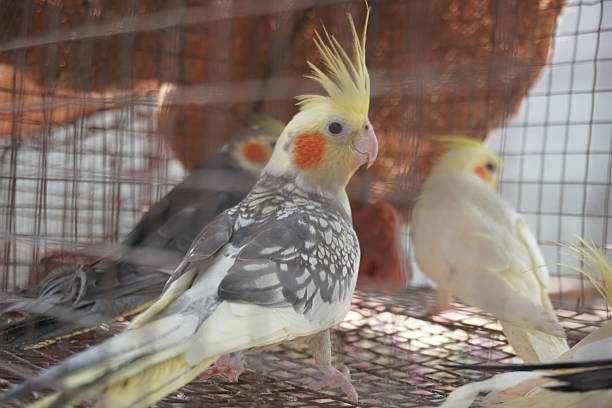
A healthy home for an exotic pet is not just about having a clean cage, tank or enclosure. It is about creating an environment where the animal can breathe safely, move naturally, eat properly, rest comfortably and behave in ways that are normal for its species.
For families who keep birds, reptiles, rabbits, guinea pigs or other exotic pets, the home itself becomes part of the animal’s healthcare plan. Temperature, lighting, air quality, cleaning products, food storage, noise and even furniture placement can all influence wellbeing.
This is where housekeeping and pet care overlap. A tidy home may look good to people, but a safe home for exotic pets needs a little more thought. Many of these animals are sensitive to fumes, stress, poor ventilation, incorrect humidity or small changes in routine.
The good news is that most improvements are practical. You do not need to turn your home into a veterinary clinic. You simply need to understand the risks and make sensible adjustments before problems develop.
Page Contents
Start With the Animal’s Natural Environment
Every exotic pet comes from a biological background, even if it was bred in captivity. A bearded dragon still depends on heat and UVB light. A parrot still needs movement, social contact and enrichment. A rabbit still needs fibre, space and opportunities to chew.
Healthy home care starts by asking what the animal’s body expects. Is it built for climbing, burrowing, basking, flying, hiding or grazing? Does it need high humidity, dry air, daily light cycles or a quiet retreat?
When a home setup ignores these needs, health problems can follow. Reptiles may develop metabolic bone disease if lighting and calcium balance are wrong. Birds may develop respiratory irritation if exposed to fumes or dust. Rabbits and guinea pigs may develop dental or digestive issues if they do not receive enough hay and fibre.
A polished-looking enclosure is not enough. Function matters more than decoration.
Air Quality Matters More Than Most Owners Realise
Birds are especially sensitive to air quality, but clean air benefits all exotic pets. Their smaller bodies and specialised respiratory systems can make them more vulnerable to household pollutants than people.
Common household risks include aerosol sprays, cigarette smoke, incense, scented candles, air fresheners, harsh cleaning chemicals and fumes from overheated non-stick cookware. Even products that smell pleasant to humans may irritate animals.
A good rule is to avoid using strong airborne products near exotic pets. If something creates a fragrance cloud, mist, smoke or chemical smell, it should be kept well away from birds, reptiles and small mammals.
Improving air quality can be simple:
- Keep pet areas away from kitchens and smoke
- Use unscented cleaning products where possible
- Ventilate rooms after cleaning
- Avoid aerosol sprays near enclosures
- Wash dusty bedding or cage accessories before use
- Clean filters and fans regularly
Fresh air is helpful, but draughts can be harmful. Pet enclosures should be placed where ventilation is good but sudden temperature changes are avoided.
Cleaning Without Creating New Risks
Cleanliness is essential for exotic pet care, but over-cleaning with harsh chemicals can create new problems. The aim is to remove waste, bacteria and mould without leaving dangerous residues.
Food bowls, water dishes, litter areas and soiled bedding should be cleaned regularly. Reptile enclosures need spot cleaning and scheduled deeper cleans. Bird cages require attention to droppings, food scraps, perches and toys. Rabbit and guinea pig areas need frequent removal of damp bedding and uneaten fresh food.
Choose cleaning products carefully. Many owners use diluted pet-safe disinfectants, but these should always be used according to directions and rinsed or dried properly before the animal returns. Never mix chemicals, especially bleach and ammonia-based products.
Cleaning routines should also include the surrounding home environment. Dust behind cages, spilled seed, hay fragments and food debris can attract insects or create respiratory irritation. A handheld vacuum, washable mats and easy-access storage can make daily maintenance much easier.
Place Enclosures With Care
Where you place an enclosure can affect stress, sleep, temperature and safety. A busy family room may provide social contact, but it may also be too loud or unpredictable for some animals. A spare room may be quieter, but it can become too isolated or poorly monitored.
Birds often enjoy being near family activity, but they still need safe sleep and protection from cooking fumes. Reptiles need stable temperatures and should not be placed in direct sun where tanks can overheat. Rabbits and guinea pigs need quiet floor-level areas protected from dogs, cats, electrical cords and damp flooring.
Avoid placing enclosures:
- In direct harsh sunlight
- Beside air conditioners or heaters
- Close to kitchens
- In draughty hallways
- Beside loud televisions or speakers
- In areas accessible to unsupervised pets
- On unstable furniture
The best location is usually calm, easy to clean, well ventilated and simple to monitor.
Lighting, Heating and Humidity Are Health Tools
For reptiles, lighting and heating are not just comfort features. They are health tools. Many reptiles depend on carefully managed heat gradients and UVB exposure to digest food, regulate metabolism and maintain healthy bones.
A heat gradient allows a reptile to move between warmer and cooler areas. Without that choice, the animal may become too hot, too cold or unable to regulate its body properly. Thermostats, thermometers and species-specific lighting schedules are all part of responsible care.
Humidity also matters. Some reptiles need higher humidity to shed properly, while others need drier environments to avoid skin and respiratory problems. Guessing is not reliable. Owners should use appropriate measuring tools rather than relying on how the room feels.
Birds and small mammals also benefit from stable conditions. Extreme heat, cold draughts and sudden changes can place stress on the body. In household terms, comfort for people does not always equal comfort for pets.
Food Storage and Kitchen Habits
Good nutrition starts before food reaches the bowl. Pellets, seeds, hay, insects, vegetables and supplements all need proper storage. Damp, stale or contaminated food can cause illness, attract pests or lose nutritional quality.
Hay should be kept dry and well ventilated. Pellets should be sealed and used within recommended timeframes. Fresh produce should be washed and prepared safely. Live insects for reptiles should be housed and fed properly before being offered as food.
Cross-contamination is another concern. Pet food preparation areas should be kept separate from human food where possible. Cutting boards, bowls and utensils used for animal food should be washed thoroughly.
Families should also be cautious with “treat culture”. Many exotic pets are overfed fruit, seed mixes, fatty treats or inappropriate human foods because the animal appears to enjoy them. Enjoyment does not always equal suitability.
Enrichment Makes the Home Healthier
A healthy home is not only clean and safe. It should also give exotic pets something to do.
Birds need opportunities to forage, chew, climb and interact. Rabbits need space to hop, dig, chew and explore. Guinea pigs need hiding places, tunnels and safe social interaction. Reptiles benefit from hides, climbing structures, basking options and enclosure layouts that encourage natural movement.
Boredom can lead to stress behaviours, over-grooming, aggression, withdrawal or poor appetite. Enrichment does not have to be expensive, but it should be safe and species-appropriate.
Simple enrichment ideas include:
- Foraging toys for birds
- Cardboard tunnels for rabbits
- Safe branches or perches
- Rotated hides for reptiles
- Scatter feeding for suitable species
- Chew-safe items for small mammals
- Supervised exploration areas
Rotate enrichment rather than adding everything at once. Novelty can be stimulating, but too much change can be stressful for some animals.
Household Safety Checks
Exotic pets often find danger faster than people expect. A bird can fly into a fan. A rabbit can chew an electrical cord. A ferret can disappear into a gap behind cabinetry. A reptile can escape through an enclosure lid that looked secure.
Pet-proofing should be part of regular home maintenance. Check locks, mesh, cords, windows, doors, plants and gaps. Make sure children and visitors understand which areas are off-limits.
Some common household risks include toxic plants, open toilets, pest baits, exposed cords, loose threads, small swallowed objects and access to other pets. Even friendly dogs and cats should not be trusted alone with birds, reptiles or small mammals.
If an exotic pet is allowed outside its enclosure, supervision should be active. Being nearby while looking at a phone is not the same as watching closely.
When to Seek Veterinary Advice
Exotic pets often hide signs of illness. In the wild, appearing weak can make an animal vulnerable, so many species mask problems until they are advanced. This can make early veterinary care especially important.
Subtle warning signs may include reduced appetite, weight loss, changes in droppings, less activity, altered breathing, poor shedding, sitting fluffed up, changes in posture or reluctance to move. Any sudden change in behaviour should be taken seriously.
A healthier home routine should support exotic pet wellness by considering diet, enclosure design, behaviour, lighting, air quality and early changes in daily habits. For many birds, reptiles and small mammals, the home environment is closely tied to health, so veterinary guidance should include more than medication alone.
A wellness check can help identify diet issues, enclosure problems, dental concerns, weight changes or early disease. It also gives owners a chance to ask practical questions before an emergency occurs.
A Healthier Home Starts With Small Habits
Creating a healthier home for exotic pets does not require perfection. It requires observation, consistency and a willingness to adjust routines when something is not working.
Small improvements add up. Better ventilation, safer cleaning products, correct lighting, proper food storage, more enrichment and smarter enclosure placement can all improve quality of life. These changes also make pet care less stressful because the home becomes easier to manage.
The best exotic pet homes are not necessarily the biggest or most expensive. They are the homes where the animal’s needs are understood and respected. With thoughtful housekeeping and informed care, birds, reptiles, rabbits and other exotic pets can live safer, calmer and healthier lives alongside the families who love them.

Lois Lane is a professional blogger and a seasoned Content writer for wellhousekeeping.com. With a passion for simplifying complex Home Decor topics, he provides valuable insights to a diverse online audience. With four years of experience, Lois has polished his skills as a professional blogger.