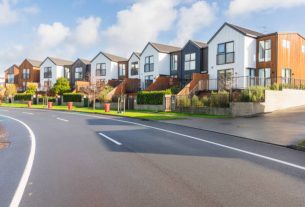

West Palm Beach has emerged as one of South Florida’s most dynamic real estate markets, experiencing significant transformation over the past few years. The city’s housing landscape continues to evolve, shaped by shifting demographics, economic factors, and broader national trends that have made the area an increasingly attractive destination for both homebuyers and investors.
Page Contents
Market Overview and Current Conditions
The West Palm Beach housing market has shown remarkable resilience and activity in recent years. After experiencing unprecedented growth during the pandemic era, when remote work policies drove an exodus from northern cities, the market has begun to stabilize into a more balanced state. Home prices remain elevated compared to pre-pandemic levels, though the frenetic pace of appreciation has cooled considerably from the peak buying frenzy of 2021 and 2022.
Currently, the market reflects a more normalized environment where buyers have regained some negotiating power. Inventory levels have increased from historically low levels, providing more options for prospective purchasers. This shift represents a welcome change from the multiple-offer scenarios that dominated the market just a couple of years ago, when homes routinely sold above asking price within days of listing.
Price Trends and Affordability
Home prices in West Palm Beach have reached levels that reflect the area’s desirability and strong demand. The median home price has climbed substantially over the past several years, putting pressure on affordability for many potential buyers. While exact current figures fluctuate month to month, the market has seen home values appreciate significantly since 2020, with some neighborhoods experiencing even more dramatic increases.
This price appreciation has created a challenging environment for first-time homebuyers and middle-income families. The combination of elevated home prices and higher mortgage rates compared to the ultra-low rates of 2020-2021 has impacted purchasing power. However, the market’s moderation has also created opportunities for buyers who were previously priced out during the most competitive periods.
The luxury segment of the market continues to perform strongly, driven by high-net-worth individuals relocating from states with higher tax burdens. Waterfront properties, in particular, command premium prices and often experience faster sales cycles than inland properties.
Inventory and Sales Activity
One of the most significant trends in the West Palm Beach market has been the gradual increase in housing inventory. After years of severe shortages that fueled bidding wars and rapid price escalation, more homes are coming to market. This inventory growth has several causes: some homeowners who delayed selling during the pandemic are now listing their properties, while others are capitalizing on the equity gains they’ve accumulated.
Days on market have extended from the ultra-quick turnover of recent years, though desirable properties in sought-after neighborhoods still move relatively quickly. This extended timeline gives buyers more opportunity to conduct due diligence and negotiate terms, representing a more sustainable market dynamic than the pressure-cooker environment of peak pandemic buying.
Sales volume has moderated from record highs, partly due to the “lock-in effect” where existing homeowners with low mortgage rates are reluctant to sell and take on higher financing costs. This phenomenon has contributed to keeping inventory below what would be considered a fully balanced market in historical terms.
Neighborhood Dynamics
West Palm Beach’s diverse neighborhoods are experiencing varied market conditions. Downtown and the waterfront areas remain highly desirable, with new condominium developments attracting both full-time residents and part-time owners. The Northwood Historic District and Flamingo Park have seen revitalization, with younger buyers appreciating the walkability and historic character.
The city’s western neighborhoods offer more affordable entry points, though even these areas have experienced significant appreciation. As development continues to push westward, previously overlooked areas are gaining attention from buyers seeking value and potential for future growth.
Development and New Construction
New construction activity remains robust in West Palm Beach, with developers responding to continued demand for modern housing options. Mixed-use developments combining residential, retail, and office space are becoming more common, reflecting a broader shift toward live-work-play communities. These projects are transforming the urban fabric and contributing to the city’s increasingly cosmopolitan character.
The condominium market, in particular, has seen substantial new supply, catering to both downsizers from single-family homes and newcomers attracted to maintenance-free living. However, buyers in this segment must navigate considerations around association fees, special assessments, and building regulations that have received increased scrutiny following high-profile structural issues elsewhere in Florida.
Economic Factors and Future Outlook
West Palm Beach’s economic fundamentals remain strong, with diverse employment sectors including finance, healthcare, technology, and professional services. The city has successfully attracted corporate relocations and expansions, providing employment opportunities that support housing demand. This economic diversification offers more stability than markets heavily dependent on a single industry.
Looking ahead, several factors will influence the housing market’s trajectory. Interest rate policies will continue to affect affordability and buyer demand. The city’s ongoing infrastructure improvements, including transportation projects and waterfront enhancements, should support property values. Climate resilience and insurance costs are also becoming increasingly important considerations for both buyers and long-term investors.
Conclusion
The West Palm Beach housing market has transitioned from the extraordinary conditions of the pandemic era to a more sustainable, though still active, environment. While affordability challenges persist, the market offers opportunities across various price points and property types. For prospective buyers, the current conditions provide more breathing room for decisions compared to recent years, while sellers still benefit from strong underlying demand and limited inventory relative to historical norms. As the city continues to evolve and attract new residents, its housing market is likely to remain a focal point of South Florida’s dynamic real estate landscape.
Also Read:

Lois Lane is a professional blogger and a seasoned Content writer for wellhousekeeping.com. With a passion for simplifying complex Home Decor topics, he provides valuable insights to a diverse online audience. With four years of experience, Lois has polished his skills as a professional blogger.