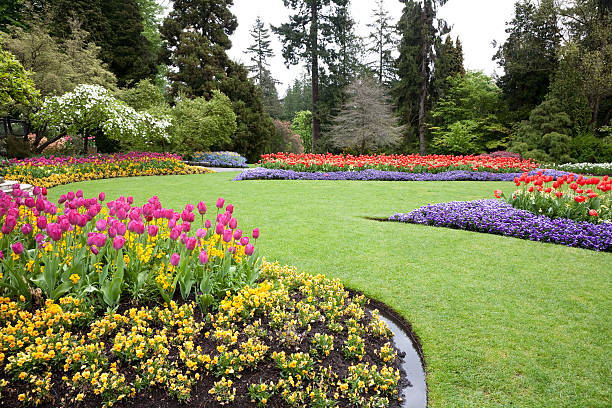

As the last vestiges of winter fade and the world bursts forth in a symphony of green and floral hues, it’s time to turn our attention to the rejuvenation of our outdoor spaces. Spring is the quintessential season for landscaping, a period of renewal and preparation for the vibrant months ahead. Transforming a dormant yard into a thriving oasis requires a strategic approach, encompassing a range of tasks that nurture the soil, revitalize plants, and enhance the overall aesthetic.
Page Contents
The Foundation: Soil Preparation and Clean-Up
The first step in any spring landscaping endeavor is a thorough clean-up. Winter’s harshness often leaves behind debris like fallen leaves, broken branches, and accumulated trash. Raking and clearing these remnants allows the soil to breathe and receive the sunlight it needs. Removing any lingering weeds, which compete with desirable plants for nutrients and water, is also crucial.
Once the yard is cleared, focus on the soil. Spring is the perfect time to test your soil’s pH and nutrient levels. A simple soil test kit from a garden center can reveal whether your soil is acidic, alkaline, or neutral, and if it lacks essential nutrients like nitrogen, phosphorus, and potassium. Based on the results, amend the soil with compost, well-rotted manure, or specific fertilizers to create an optimal growing environment. This is also the ideal moment to loosen compacted soil with a garden fork or tiller, ensuring proper aeration and drainage.
Planting and Pruning: Revitalizing Growth
Spring’s warmer temperatures and increased daylight hours trigger a surge in plant growth. This makes it an ideal time for planting new additions to your garden. Whether you’re adding vibrant annuals, hardy perennials or establishing new shrubs and trees, careful planning is essential. Consider the mature size of plants, their sunlight requirements, and their compatibility with existing flora.
Pruning is another critical task. Winter can damage branches and shrubs, leading to unsightly and potentially hazardous growth. Prune away dead, diseased, or damaged branches to promote healthy new growth. Shape shrubs and trees to maintain their desired form and encourage flowering. Early spring pruning should be done before new growth begins, maximizing the plant’s ability to heal and thrive.
Lawn Care: A Verdant Carpet
A lush, green lawn is the centerpiece of many landscapes. Spring is the time to revitalize your lawn after its winter dormancy. Start by raking away dead grass and debris, and then aerate the soil to improve air and water penetration. If your lawn has bare patches, overseeding is recommended. Choose a grass seed that matches your existing lawn type and spread it evenly.
Fertilizing your lawn in spring is essential for promoting vigorous growth. Use a slow-release fertilizer that provides a steady supply of nutrients over several weeks. Water your lawn deeply and regularly, especially during dry spells, to encourage deep root development. Consider applying pre-emergent herbicides to prevent weeds from germinating.
Mulching and Edging: Defining and Protecting
Mulching is a vital landscaping task that offers numerous benefits. It helps retain soil moisture, suppress weeds, regulate soil temperature, and add organic matter as it decomposes. Apply a 2-3 inch layer of mulch around plants, ensuring it doesn’t touch the stems or trunks to prevent rot. Choose a mulch that complements your garden’s aesthetic, such as shredded bark, wood chips, or straw.
Edging defines the boundaries between your lawn, flower beds, and pathways, creating a clean and polished look. Use a spade or edging tool to create a crisp edge, and consider installing permanent edging materials like brick, stone, or metal for a more structured appearance. This helps contain mulch and prevent grass from encroaching on flower beds.
Water Features and Hardscaping: Enhancing Ambiance
Spring is an excellent time to clean and prepare water features like ponds and fountains for the warmer months. Remove debris, check for leaks, and ensure pumps and filters are functioning correctly. Water features add a soothing element to your landscape, creating a tranquil retreat.
Hardscaping elements like patios, walkways, and retaining walls can significantly enhance the functionality and aesthetic appeal of your yard. Inspect these structures for damage caused by winter weather and make necessary repairs. Consider adding new hardscaping features to create defined spaces for outdoor living and entertaining.
Attracting Pollinators and Wildlife: Fostering Biodiversity
Creating a vibrant yard goes beyond aesthetics; it’s about fostering a healthy ecosystem. Plant flowers that attract pollinators like bees, butterflies, and hummingbirds. Include a variety of flowering plants with different bloom times to provide a continuous source of nectar throughout the season. Consider adding bird feeders and bird baths to attract avian visitors, contributing to a lively and diverse landscape.
By diligently addressing these spring landscaping tasks, you’ll lay the foundation for a thriving and beautiful yard that you can enjoy throughout the warmer months. Spring is a time of renewal, and your garden should reflect that vibrant spirit.
Also Read:

Lois Lane is a professional blogger and a seasoned Content writer for wellhousekeeping.com. With a passion for simplifying complex Home Decor topics, he provides valuable insights to a diverse online audience. With four years of experience, Lois has polished his skills as a professional blogger.