

Our feet are the unsung heroes of our bodies. They are our foundation, carrying us through thousands of steps every single day, bearing the brunt of our workouts, our long work shifts, and our busy lives. We often don’t give them a second thought, until they start to hurt.
And when they do, it can be debilitating. That throbbing in your heel, the sharp ache across the top of your foot, or the general soreness that makes every step a chore. It’s a pain that can derail your fitness goals, impact your mood, and diminish your overall quality of life.
While foot pain is incredibly common, it is not something you just have to live with. You can take control and find lasting relief. This is your practical, three-step guide to understanding the source of your pain, actively treating it, and proactively supporting your recovery to build a foundation for a pain-free life.
Page Contents
Your Step-by-Step Plan for Pain-Free Feet
Think of this as a complete battle plan for your foot health. By following this logical progression, you can move from simply suffering through your pain to intelligently solving it.
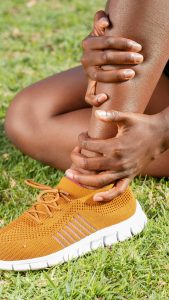
Step 1: How to Understand What Your Feet Are Telling You
The first and most critical step is to become a detective. Your pain is not random; it is a specific message from your body that something is wrong. Before you can find the right solution, you have to understand the problem.
Your Pain is a Messenger
Foot pain can stem from a variety of causes: overuse from a new running routine, improper footwear, the stress of standing on hard surfaces all day, or an underlying medical condition. Your job is to listen carefully to the signals your body is sending. Where does it hurt? When does it hurt the most? What activities make it better or worse?
Pinpointing the Problem: Location Matters
The location of your pain provides crucial clues to its cause. For example, a stabbing pain in your heel, especially in the morning, often points to plantar fasciitis. An ache in the ball of your foot could be metatarsalgia. Many people are particularly confused by a persistent, sharp pain across the bridge of the foot when they’re active. To properly identify the issue, it’s helpful to learn about specific conditions. For instance, understanding the common causes of pain on top of foot, such as extensor tendonitis from overuse or shoes that are too tight, can be the first step toward finding the correct treatment.
Step 2: How to Actively Treat and Soothe Your Pain
Once you have a better understanding of the likely cause of your pain, you can begin to actively treat it. One of the most effective, non-invasive ways to find relief is through targeted massage.
The Power of Targeted Massage
Massage can work wonders for aching feet. It helps to relieve muscle tension, break up painful knots, improve blood circulation to promote healing, and release endorphins, your body’s natural painkillers. While a professional foot massage is a wonderful treat, it can be expensive and inconvenient to get one regularly.
Bringing the Spa Home: The Modern Foot Massager
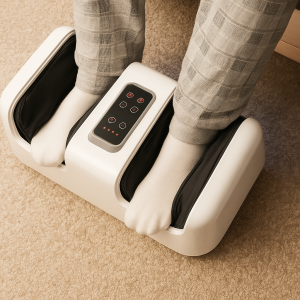
This is where modern technology can be a game-changer for your daily comfort. A high-quality at-home foot massager provides on-demand relief, allowing you to incorporate this powerful therapy into your daily routine. Today’s models are incredibly sophisticated, offering a range of therapeutic options:
- Shiatsu Massage: Rotating nodes knead deep into your arches and soles.
- Air Compression: Airbags gently inflate and deflate to squeeze away tension.
- Heat Therapy: Soothing warmth helps to relax tight muscles and improve circulation.
With so many models available, from simple rollers to advanced hydrotherapy spas, it can be tough to choose. A detailed guide to the best foot massager can help you find a device that has the specific features to target your type of pain and fit your budget.
Step 3: How to Proactively Support Your Recovery
Treating your pain with massage is a fantastic step, but what you do in the hours and days between treatments is just as important for long-term healing. This is where proactive support comes in.
The “After Hours” Problem
Think about what you put on your feet after a grueling workout or a long day at your job. You might kick off your work shoes and walk around barefoot on hard floors or slip into flimsy slippers with no support. This can continue to stress your already-fatigued muscles and ligaments, slowing down your recovery.
The Rise of Specialized Recovery Footwear
This is why a new category of footwear has become an essential tool for athletes and anyone who spends a lot of time on their feet. Recovery footwear—often in the form of slides, sandals, or clogs—is specifically engineered to help your feet heal.
Unlike regular shoes, they are designed to:
- Absorb Maximum Impact: With oversized, ultra-soft cushioning that takes the pressure off your sore feet.
- Provide Robust Arch Support: To reduce stress on your plantar fascia, joints, and tendons.
- Promote Natural Foot Mechanics: With a design that allows your feet to relax and splay.
Think of them as a “reset button” for your feet at the end of the day. For anyone serious about their recovery, a guide to the best recovery footwear is an essential resource for finding the perfect pair to accelerate the healing process.
You do not have to accept foot pain as a normal part of a busy, active life. By taking this methodical, three-step approach, first understanding your pain, then actively treating it, and finally, proactively supporting your recovery, you can break the cycle of soreness. By taking your foot health seriously and leveraging modern wellness tools, you are empowered to reclaim a pain-free, active, and more comfortable life.

Lois Lane is a professional blogger and a seasoned Content writer for wellhousekeeping.com. With a passion for simplifying complex Home Decor topics, he provides valuable insights to a diverse online audience. With four years of experience, Lois has polished his skills as a professional blogger.


