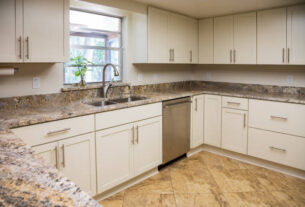

Introduction to Flooring Choices
Choosing the right flooring for your home is crucial as it sets the foundation for the overall look, feel, and functionality of your spaces. Several options are available to homeowners, each with its own characteristics, advantages, and disadvantages.
Overview of Common Flooring Options
The variety of flooring materials available today includes hardwood, laminate, vinyl, tile, stone, linoleum, and carpet.
- Hardwood Flooring: Known for its classic and durable nature, hardwood provides warmth and beauty to any room. It is one of the most popular choices among homeowners due to its longevity and timeless appeal.
- Engineered Wood Flooring: Engineered wood is a popular alternative to solid hardwood, offering similar aesthetics and durability but at a generally lower cost and easier installation.
- Laminate Flooring: An affordable option that mimics the appearance of wood or stone, laminate is durable and easy to maintain, making it a practical choice for high-traffic areas.
- Vinyl Flooring: Versatile and cost-effective, vinyl flooring comes in various designs and is highly moisture-resistant, making it suitable for kitchens and bathrooms.
- Tile Flooring: Durable and water-resistant, tiles are ideal for moisture-prone areas. They come in a wide range of styles, colours, and patterns, offering both aesthetic and functional benefits.
- Stone Flooring: Stone provides a unique and luxurious finish with natural variations; however, it can be expensive and may require special care.
- Linoleum Flooring: Made from natural materials, linoleum is eco-friendly and offers good durability and ease of maintenance.
- Carpet: Favoured for its warmth and comfort, carpet is available in numerous styles and is excellent for bedrooms and living areas where softness underfoot is desired.
Importance of Choosing the Right Flooring
Selecting the correct flooring is essential due to its significant impact on the functionality and atmosphere of each space. The right flooring contributes to:
- Comfort and Livability: Ensuring that the floors enhance the comfort of your living spaces, which is particularly important in areas where you spend a lot of time.
- Aesthetics: Flooring significantly affects the visual appeal of your home. It should complement the overall design and decor to create a harmonious and attractive look.
- Functionality: Different rooms have unique requirements. For example, bathrooms and kitchens need water-resistant materials, while living rooms may benefit from more durable flooring to withstand heavy foot traffic.
Factors to Consider When Selecting Flooring Materials
When choosing flooring, homeowners should consider several critical factors:
- Durability: Depending on the room and its use, the flooring should withstand wear and tear. For instance, high-traffic areas like hallways and living rooms need robust materials like hardwood or tile.
- Maintenance: Consider the ease of cleaning and the level of upkeep required. Some materials, such as carpet, require regular vacuuming and occasional professional cleaning, while others, like vinyl, are more low-maintenance.
- Cost: Both the initial cost and long-term expenses should be evaluated. While some materials like hardwood have a higher upfront cost, they can add value and longevity to your home.
- Aesthetic Appeal: The flooring should match the desired look and feel of the room. Different materials offer various colours, textures, and patterns to suit personal preferences and design goals.
- Environmental Impact: Eco-friendly options like natural linoleum and bamboo should be considered if sustainability is a priority.
- Comfort: The feel underfoot is crucial, especially in areas like bedrooms. Carpet is softer and warmer compared to hard surfaces like tile or stone.
- Installation: Some materials are easier to install than others. For instance, laminate and vinyl flooring can often be installed by homeowners themselves, while hardwood and tile may require professional installation.
Understanding the balance between these factors will help homeowners make informed decisions that suit their needs and preferences. This careful consideration ensures that the chosen flooring not only looks great but also supports daily living comfortably and practically.
Now that we have an understanding of the various flooring options and the importance of making the right choice, let’s delve into the specific advantages of carpet in the next section.
Comfort and LivabilityCarpet’s Advantages in Warmth and Softness
Carpets offer a unique advantage in terms of warmth and comfort that many hard surface floorings cannot match. The fibres in acarpetact as insulators, helping to retain warm air longer than other types of flooring. This makes carpets particularly beneficial in colder climates or seasons. By creating a barrier between the room and the cold air beneath the floor, carpets help to maintain a warmer and more cosy environment. This is especially useful in older homes where drafts can be a common issue.
Additionally, carpet provides a soft surface that is pleasant to walk on, which adds to the overall comfort of a room. Unlike hard flooring, where the hardness can be felt underfoot, carpets offer a cushioned surface that can make standing or moving around for long periods more comfortable. This makes it a preferred choice for areas where people spend a lot of time on their feet, such as living rooms and bedrooms.
Noise Reduction Benefits of Carpet
One of the standout features of carpet flooring is its ability to reduce noise. Carpets have superior sound-absorbing qualities compared to hard surfaces like wood or tile. The soft fibres of the carpet and its underlay effectively absorb sound vibrations, dramatically reducing both impact noise (such as footsteps) and airborne sounds (such as voices or music). This can make carpets an excellent choice for multi-story homes or apartments where noise reduction between floors and rooms is crucial.
Moreover, carpets can help in creating a quieter and more serene home environment. Unlike hard surfaces that reflect sound, carpets absorb and dampen sound waves, reducing the echo and overall noise levels within a room. This makes it easier to maintain a peaceful home, which is particularly valuable in homes with active, noisy environments.
Impact on Room Comfort and Living Experience
The impact of carpeting on room comfort and livability is significant. Carpets provide a warm and inviting space, making rooms feel cosier and more comfortable. This warmth is not just physical but also aesthetic, as carpets can add a layer of visual softness that hard floors cannot offer. The overall feel of carpets can make a room more inviting and pleasant to spend time in, which can enhance the quality of life within a home.
Additionally, carpets contribute to the safety and well-being of household members, providing a softer surface that can help prevent injuries from falls. This safety aspect is especially important in homes with young children or elderly individuals. The cushioning effect of carpets means that any falls are less likely to result in serious injuries compared to falling on a hard surface.
By integrating carpets into your home, you can significantly improve the warmth, noise levels, and overall comfort of your living space, making it a more enjoyable environment for all household members.
Cost ConsiderationsInitial Installation Costs Across Different Flooring Types
When evaluating flooring options, initial installation costs can vary significantly. The price disparity is often due to differences in materials and installation complexity. Carpet generally tends to be the more affordable option. Installation rates for carpet range from $6 to $12 per square foot, making it cost-effective for large areas.
Hardwood, by contrast, is usually more expensive, with costs spanning between $12 and $20 per square foot. Engineered hardwood can be a more budget-friendly alternative, averaging $7 to $15 per square foot. Laminate, though less costly than solid wood, still ranges between $1,600 to $5,350 for a significant area.
Long-Term Maintenance Expenses and Replacement Frequency
The long-term costs involved in flooring extend beyond the initial installation. Carpets generally require more frequent replacements, about every 10 to 15 years, depending on use and maintenance. Regular vacuuming and occasional deep-cleaning are essential to prolong carpet life, but wear and tear can still necessitate earlier replacement.
Hardwood floors, under proper maintenance, can last for decades. Though initial costs are higher, hardwood can be a cost-effective choice in the long run. Hardwood maintenance includes regular sweeping and occasional refinishing, which contributes to its prolonged lifespan. Refinishing costs less than replacing carpet and can rejuvenate floors without the need for wholesale replacement.
Value Comparison Between Carpet and Alternative Flooring Options
When it comes to value, hardwood floors often hold the upper hand in terms of resale value and longevity. A study noted that 54% of home buyers were willing to pay more for homes with hardwood floors, making it a superior choice for long-term investment. Hardwood’s enduring nature means less frequent replacements, contributing to its higher overall value.
On the other hand, carpets are budget-friendly and offer considerable comfort and noise reduction. This can be particularly valuable in bedrooms or areas requiring a quieter environment. However, their potentially high maintenance cost and shorter lifespan can negate some initial savings.
Vinyl and tile options also merit consideration, primarily if moisture resistance or particularly high durability is needed. These materials can sometimes be more costly upfront but have extended replacement intervals. Vinyl, for instance, is both affordable and relatively low-maintenance, whereas tiles can last multiple decades but come with a higher installation cost per square foot.
Choosing the best flooring option entails a balancing act of initial costs, ongoing maintenance, and long-term value. Each material has its strengths and challenges, and the ideal choice will depend on your specific needs and priorities.
For homeowners seeking a stylish, durable, and low-maintenance alternative to traditional carpet, Quickstep Alpha Vinyl offers an excellent solution that combines modern aesthetics with practical performance.
Maintenance RequirementsRegular Cleaning Needs for Carpet Versus Hard Flooring
Carpet floors demand frequent and thorough cleaning to maintain their appearance and longevity. Carpet manufacturers typically recommend vacuuming weekly, with more frequent attention to high-traffic areas. Vacuuming removes dirt and debris, preventing them from embedding into the fibres and wearing them down. Prompt attention to spills is crucial to prevent staining; blotting rather than scrubbing is advised to avoid damaging the carpet fibres. Professional deep cleaning is recommended every 12 to 18 months to remove embedded dirt and maintain the carpet’s fresh look and feel.
Hard flooring, such as hardwood, laminate, or tile, often requires less effort for daily cleaning but regular care is still essential. Routine maintenance includes sweeping, dust mopping, or vacuuming with a bare floor setting to eliminate dust and dirt. For hardwood specifically, it is crucial to avoid wet mops or steam cleaners that can damage the finish over time. Periodic damp mopping with a cleaner designed for hard floors, typically monthly, helps preserve the floor’s appearance. Additionally, refreshing the finish every three to five years and refinishing every 10 years may be required for hardwood to maintain its durability and aesthetic appeal.
Professional Maintenance Considerations and Frequency
Professional maintenance helps extend the life of both carpet and hard flooring. For carpets, a professional cleaning using methods such as hot water extraction, dry cleaning, or encapsulation is advisable every 12 to 18 months, although high-traffic areas or homes with pets may necessitate more frequent cleanings.
Hard flooring maintenance generally requires less frequent professional intervention. Hardwood floors benefit from professional cleaning at least once a year to manage any stains and restore shine. This service can significantly enhance the flooring’s beauty and extend its lifespan. For other hard surfaces like tile or vinyl, periodic professional sealing or polishing may be needed but less frequently than for carpets or hardwood.
Durability and Wear Patterns Across Different Flooring Types
Carpet and hard flooring exhibit distinct durability and wear patterns. Carpet longevity varies based on its density and fibre type. High-density carpets with more fibres per square inch tend to be more durable. Regular cleaning and appropriate maintenance can significantly extend a carpet’s life but expect a replacement cycle of around 10-15 years.
Hard flooring options, particularly hardwood and tile, generally offer superior durability. Hardwood flooring can last decades if properly maintained, and while it may show scratches and wear over time, these can often be sanded and refinished. Tile boasts exceptional longevity, resisting wear and tear, scratching, and staining. It maintains its appearance over many years with minimal effort.
As we delve into room-specific considerations, it is clear that the right flooring choice involves balancing the nuances of comfort, maintenance, cost, and practicality tailored to each space’s unique needs.
Room-Specific ConsiderationsBest Flooring Choices for Different Rooms
When selecting flooring, it is crucial to consider the specific requirements of each room in your home. Each space has its unique functions and needs, influencing the ideal flooring material choice.
Bedrooms
Bedrooms benefit from flooring options that emphasize comfort, warmth, and noise reduction. Carpet tends to be a popular choice due to its softness and sound-dampening properties. It creates a cosy atmosphere, ideal for a restful environment. However, some homeowners may prefer laminate or hardwood for their aesthetic appeal and ease of cleaning, despite these options being louder underfoot.
Bathrooms
The bathroom environment demands flooring that can withstand high moisture levels. Tile, particularly ceramic or porcelain, is often the go-to choice due to its water resistance and durability.Vinyl flooring is another excellent option, offering resilience against water and providing a softer feel compared to tile. Hardwood is generally not recommended unless it is properly sealed to prevent water damage. Carpet is seldom used in bathrooms due to its susceptibility to mould and mildew.
Kitchens
Kitchens experience high traffic and frequent spills, necessitating a durable and easy-to-clean flooring solution. Options likeLuxury Vinyl Tile (LVT), ceramic tile, and laminate are well-suited for kitchens. LVT stands out for its combination of durability, water resistance, and ease of maintenance. It also offers aesthetic versatility, mimicking the look of natural stone or hardwood. Hardwood can be used but requires a durable finish to protect against moisture and wear.
Moisture and Traffic Considerations
Moisture and foot traffic are critical factors in determining appropriate flooring. Areas like bathrooms and kitchens need flooring that can handle frequent exposure to water. In these spaces, materials with water-resistant properties, such as tile and vinyl, are ideal. High-traffic areas like hallways and entryways also need robust flooring. Porcelain tile, laminate, and certain types of vinyl and hardwood with scratch-resistant finishes are excellent for these zones.
Practical Limitations of Carpet
While carpet offers unmatched comfort and warmth, it has limitations, especially in moisture-prone and high-traffic areas. In bathrooms, carpet is impractical due to its ability to absorb water, leading to potential mould growth. Similarly, kitchens and entryways see frequent spills and dirt, making carpet maintenance challenging. However, in bedrooms and living areas where comfort is a priority and traffic is moderate, carpet remains a favourable option.
By carefully evaluating the specific needs of each room, such as comfort, moisture resistance, and traffic levels, homeowners can make informed flooring choices that enhance functionality and aesthetics.
Health and Environmental FactorsImpact on Indoor Air Quality and Allergies
Carpets can influence indoor air quality significantly. While they provide comfort and aesthetic enhancement, they can also harbour dust mites, pet dander, allergens, and toxic particles like lead and pesticides. Regular vacuuming is essential because it can eliminate up to 95% of dry soil, thus improving air quality. However, poorly maintained carpets can release a substantial amount of particles into the air during everyday activities, exacerbating respiratory and allergic conditions.
Conversely, newly installed carpets can emit Volatile Organic Compounds (VOCs), which are linked to eye, ear, nose, and throat irritation, and can negatively affect the respiratory system. These emissions are most significant in the initial 72 hours post-installation but can be mitigated through adequate ventilation and careful selection of low-emitting adhesives and materials.
Sustainability and Environmental Considerations
Sustainable flooring is gaining momentum as homeowners seek eco-friendlier options. Sustainable carpet materials include natural, renewable fibres such as wool or bamboo and recycled materials like plastic bottles. Wool carpets, in particular, are highly eco-friendly, as sheep naturally replenish their wool annually, providing a renewable resource.
Choosing carpet padding made from recycled cotton or other reused materials further enhances sustainability. Manufacturers are also focusing on reducing water and energy usage and incorporating recycled content into new carpet products. Awareness of greenwashing is critical; some synthetic carpets degrade slowly in landfills, contributing to methane emissions and chemical leaching that can contaminate water supplies.
Moisture Resistance and Mold Prevention
Moisture resistance is a crucial factor to consider when selecting carpets, especially for areas prone to dampness. Carpets can absorb moisture from various sources such as spills, humid air, or wet shoes, creating an ideal environment for mold growth. Mouldy carpets can trigger respiratory issues, particularly in individuals with asthma and allergies.
Preventing mold involves choosing materials resistant to moisture. Options like acrylic, nylon, and polyester are naturally mold-resistant and do not retain moisture as significantly as some other fibres. Additionally, keeping carpets clean and dry, using dehumidifiers in moist environments, and promptly addressing spills can help mitigate mold risks.
Considering the health and environmental impact of your flooring choices is critical. Ensuring the right balance among comfort, cost, and care leads to healthier and more sustainable living spaces.
Making the Final DecisionBalancing Comfort, Cost, and Maintenance Needs
When making the final decision about flooring, balancing comfort, cost, and maintenance needs is critical. Homeowners must consider the specific needs of their households and weigh the advantages and disadvantages of carpet versus alternative flooring options.
Comfort
Carpet offers unparalleled softness and warmth, making it an ideal choice for bedrooms and living rooms where comfort is paramount. Its cushioned surface also provides a safe environment for children and the elderly. However, while hard flooring options like hardwood and tile may lack the plush feel of carpet, they offer a more sleek and modern aesthetic that can be softened with area rugs.
Cost
Initial costs vary widely among flooring types. Carpet can range from $1 to $20 per square foot, while hardwood flooring materials average between $5 and $15 per square foot, with installation adding another $4 to $8 per square foot. Tile falls within a similar range as hardwood, with costs from $1 to $20 per square foot and installation at $5 to $10 per square foot. Long-term costs should also be considered; hardwood and tile generally require less frequent replacement compared to carpet, although they may need occasional refinishing or regrouting.
Maintenance
Maintenance needs are another significant aspect to weigh. Carpet demands regular vacuuming and periodic professional cleaning to maintain its appearance and hygiene. In contrast, hard flooring options like tile, vinyl, and hardwood are easier to clean and generally require less upkeep. For instance, tile flooring can last over 50 years with minimal maintenance, including regular sweeping and occasional regrouting.
Evaluating Lifestyle Factors and Household Requirements
Your household’s lifestyle plays a crucial role in selecting the right flooring.
Lifestyle Impact
- Families with Children or Pets: Durability is key. Tile and laminate can handle spills, scratches, and heavy foot traffic. Hardwood and carpet may require more maintenance and care depending on the activity level in your home.
- Busy Households: Opt for low-maintenance options such as laminate or vinyl, which are durable and easier to clean.
Long-Term Considerations
Choosing flooring should also consider long-term factors such as the expected lifespan of the material and its impact on home resale value.
Lifespan
Hardwood floors can last between 25 to 100 years with proper care, and tile can often exceed 50 years. Carpet generally needs replacing every 10-15 years, making it a less durable option.
Home Value
Flooring choices can significantly affect your home’s resale value. Hardwood flooring often enhances home value due to its timeless appeal, while good-quality tile flooring also adds resale value, particularly in kitchens and bathrooms.
In conclusion, selecting the right flooring requires a careful consideration of comfort, cost, and maintenance. It’s essential to align your choice with your lifestyle and long-term needs to ensure a satisfactory investment.
Also Read:

Lois Lane is a professional blogger and a seasoned Content writer for wellhousekeeping.com. With a passion for simplifying complex Home Decor topics, he provides valuable insights to a diverse online audience. With four years of experience, Lois has polished his skills as a professional blogger.