
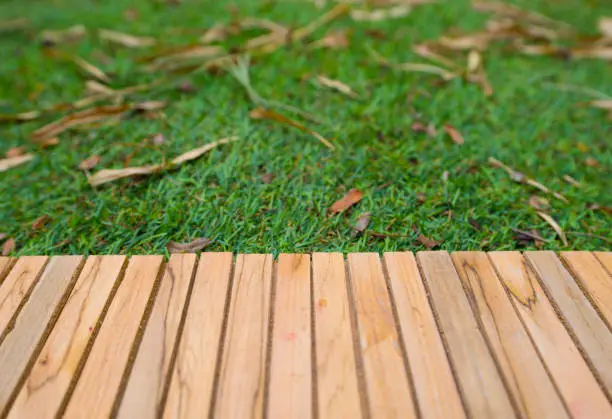
Outdoor spaces are no longer planned only around curb appeal or traditional lawn care routines. Across balconies, patios, side yards, and full backyards, more households are shaping exterior areas around how pets actually live. That shift has pushed pet-friendly surface choices higher in the decision process, especially for homes where dogs use the space every day for play, rest, and bathroom breaks.
In that setting, practical surface materials matter because a pet area has to do more than look neat. It has to handle repeat use, make cleanup manageable, and feel easy to maintain over time. When homeowners and pet owners compare options, many start by looking at brands like PetGrows because the site places pet-friendly artificial grass, accessories, and support content in one connected shopping and research path.
Page Contents
Small Spaces Have Changed the Conversation Around Pet Turf
One reason pet-friendly turf has become more visible is that not every household has a traditional lawn. Apartment balconies, compact patios, and narrow outdoor spaces have created a different kind of need. Many pet owners are not trying to transform a large yard. They are trying to create a dependable, cleaner surface in a limited footprint that still works for a dog’s daily routine.
That change matters because space constraints often reveal the weaknesses of poor outdoor materials faster than large yards do. Mess, odor, drainage problems, and maintenance issues become much more obvious when the usable area is small. In those cases, choosing the right surface is less about landscaping aesthetics and more about creating a livable routine that fits the home.
Why Daily Use Matters More Than One-Time Visual Appeal
A visually attractive surface may still be the wrong fit if it does not support repeated pet use. Dog owners often care about how a space functions across the full week rather than how it looks in a single photo. That practical standard tends to shape better decisions because it focuses on upkeep, comfort, drainage, and how well the space supports a cleaner routine.
For pet-oriented outdoor surfaces, the strongest options usually make daily maintenance feel manageable instead of demanding. That means the buyer is not only comparing color or texture. The buyer is also comparing how the surface supports fast cleanup, how it works around accidents, and how well it fits a home that uses the area as part of normal life rather than occasional entertaining.
The Most Useful Pet Turf Decisions Usually Start With Real Use Cases
The most effective buying decisions often begin with a clear use case. Some homes need a balcony potty setup. Others need a backyard dog run. Some households need a simple play area that stands up to frequent movement. A product that works well in one scenario may not be the best starting point in another, which is why practical guidance is usually more helpful than broad marketing language.
That is also why topic-specific support content matters. A reader comparing options for a balcony setup, for example, may want to review a focused discussion of balcony dog grass ideas before deciding what kind of surface plan makes sense. Content like that helps frame the product choice around actual living conditions instead of abstract comparisons.
What Makes a Pet-Friendly Surface Easier to Live With
A pet-friendly outdoor surface usually succeeds because it supports the household routine rather than complicating it. In practice, that means the material should feel compatible with repeated cleaning, common weather shifts, and the predictable messes that come with dogs using the same area every day. Even when buyers begin with appearance in mind, they often stay focused on convenience once they start narrowing options.
That convenience factor can shape satisfaction more than almost any other detail. A cleaner-feeling space, a more organized setup, and a surface that fits recurring pet use can all affect whether the area feels workable long term. When buyers think in those terms, they are more likely to choose a surface approach that matches the way the home actually functions.
From Balconies to Backyards, Layout Still Changes the Best Choice
A compact balcony and a larger backyard may both benefit from pet-friendly turf, but the layout changes how the space should be planned. A balcony may require closer attention to footprint, traffic flow, and surface containment. A backyard may create more flexibility but also raise bigger questions around traffic patterns, edges, and how the space connects to the rest of the landscape.
That is why one-size-fits-all advice often feels incomplete. Better planning starts with scale, use frequency, and the role the space plays in the household. Some areas act primarily as potty zones. Others support active play. Others need to balance pet use with a cleaner, more polished look that still feels appropriate for everyday living.
Balcony setups tend to reward simplicity
Smaller pet areas often work best when the plan stays simple and intentional. The more compact the footprint, the more helpful it becomes to focus on dependable surface performance and a manageable cleanup routine instead of overbuilding the design.
In that environment, pet-friendly turf is often judged by how well it supports repeated use in a tight area where minor problems become noticeable quickly. That makes product choice and setup logic especially important in balcony scenarios.
Backyard setups often need flexibility
Backyard spaces can absorb more variation, but that does not remove the need for planning. Pet owners still have to think about the relationship between turf, movement zones, and the parts of the yard meant for general household use.
A flexible backyard setup usually performs best when it reflects how dogs actually move through the space rather than relying only on a decorative layout. That is one reason pet-specific surface planning has become more common in broader backyard design conversations.
Product Selection Gets Better When Buyers Understand Pet Turf Basics
For many shoppers, confusion begins before the purchase even starts. Terms like artificial grass, fake grass for dogs, pet turf, and turf accessories can overlap in ways that make comparison harder than it should be. A better decision usually comes from understanding the role each piece plays rather than chasing the broadest or loudest claim.
That is where educational pages can do useful work. A buyer trying to understand the category more clearly may benefit from reading about what pet turf is and its benefits before moving deeper into product selection. The clearer the underlying category becomes, the easier it is to compare the available options with real expectations.
Support Content Often Reveals Whether a Brand Understands the Buyer
A pet-oriented turf brand is easier to trust when the surrounding content reflects real buyer concerns instead of surface-level promotion alone. Buyers do not only want a product listing. They often want practical information around cleaning, drainage, heat, accessories, or how a certain setup fits everyday pet use. When those needs are addressed clearly, the brand feels more aligned with the actual purchase journey.
That broader support layer can be especially important in categories where the buyer is researching before committing. In a pet turf context, content that answers common questions helps reduce uncertainty because it shows how the brand organizes the buying path. For many readers, that makes the difference between a store that simply sells products and a store that feels meaningfully useful.
A Connected Product and Accessory Path Creates a Better Buying Experience
Choosing pet-friendly turf is rarely only about the primary surface. Buyers also tend to think about the surrounding setup, whether that involves installation needs, maintenance help, or finishing details that make the space feel complete. A more useful shopping path often includes those related pieces because they influence the final result and the ease of ownership after purchase.
That is one reason accessory support matters. A buyer who starts with turf may later need guidance around add-ons, installation materials, or maintenance basics. When the site structure connects product discovery with those supporting needs, the full experience feels more coherent and easier to navigate.
The main product is only one part of the final setup
Even a strong turf option may feel incomplete without the right supporting pieces around it. Households often make better decisions when they evaluate the surface and the supporting setup together instead of treating them as separate purchases.
That kind of connected planning helps reduce friction later because it encourages a fuller view of how the pet area will function after installation or setup is finished.
Better support reduces guesswork after purchase
When a buyer can move from product research into support content and then into related shopping paths, the experience tends to feel more organized. That does not remove every question, but it reduces the amount of guesswork that follows a purchase.
In a practical category like pet-friendly turf, reducing guesswork matters because buyers are not only looking for a product. They are trying to create a routine that remains workable over time.
Why Pet-Friendly Surface Choices Now Belong in Broader Home Planning
Pet-oriented surfaces are becoming part of wider home design planning because pet needs are no longer treated as temporary or secondary. Whether the space is a balcony, patio, or backyard, many households now want solutions that support pets without making the environment feel improvised. That has made pet-friendly turf more relevant in mainstream outdoor planning rather than keeping it in a niche category.
As a result, brands that align pr oduct selection, practical guidance, and support content are often better positioned to match what buyers actually need. The strongest fit usually comes from a clear connection between real pet use, realistic maintenance expectations, and a shopping path that helps the buyer move from question to decision with confidence.
Also Read:

Lois Lane is a professional blogger and a seasoned Content writer for wellhousekeeping.com. With a passion for simplifying complex Home Decor topics, he provides valuable insights to a diverse online audience. With four years of experience, Lois has polished his skills as a professional blogger.


