
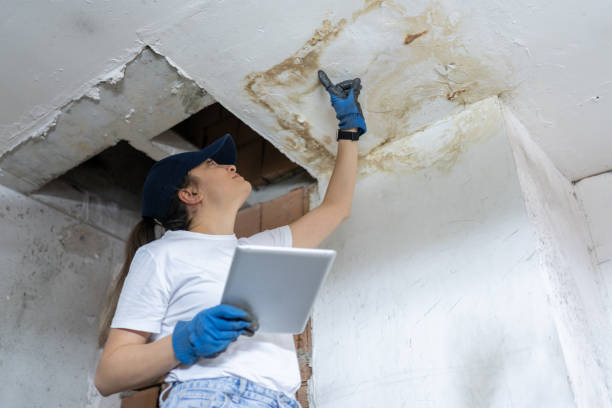
Mold inspection is an essential process for maintaining a healthy indoor environment. While mold naturally exists in the air and on surfaces, uncontrolled growth inside a home or building can cause structural damage and health problems. A professional mold inspection identifies hidden mold, measures airborne spore levels, and determines the root causes of contamination so that effective remediation can be planned.
A professional mold inspection goes far beyond what do-it-yourself test kits can provide. Certified inspectors are trained to follow standards such as the ANSI/IICRC S520 protocols, which ensure that samples are collected, analyzed, and documented in a scientifically valid way. According to moldactionplan.com, the inspection process combines a detailed visual assessment with environmental measurements, including moisture mapping and various sampling methods. This comprehensive approach helps pinpoint both visible and hidden sources of mold contamination.
The inspection process typically begins with an initial consultation. During this stage, homeowners share background information about the property, such as water damage, plumbing leaks, or persistent humidity issues. These details guide the inspector toward potential problem areas. Access is critical, so homeowners are usually asked to clear spaces like basements, attics, crawl spaces, and under sinks to ensure all problem spots can be examined effectively gpiservices.com.
During the onsite inspection, the professional uses specialized tools to detect moisture and hidden mold growth. Instruments such as thermal imaging cameras, moisture meters, and borescopes help identify damp areas behind walls or beneath flooring. Infrared scans reveal temperature variations often caused by hidden water intrusion, while moisture mapping records humidity levels across surfaces. The goal at this stage is to identify conditions that promote mold growth—like leaks, condensation, or poor ventilation—before sampling even begins.
Sampling is the scientific core of mold inspection. As described by inhauslab.com, inspectors typically use three types of testing: air sampling, surface sampling, and bulk sampling. Air sampling measures the concentration of mold spores in indoor air compared to outdoor levels to determine whether indoor contamination is excessive. Surface samples collected with swabs or adhesive tape help identify what type of mold species are present. Bulk sampling involves removing small sections of material, like drywall or carpet, to see how deeply the mold has penetrated. Samples are then analyzed in a laboratory for definitive results.
After lab analysis, the inspector prepares a comprehensive report detailing findings, photographs, test results, and recommendations. This report indicates whether mold levels exceed normal environmental baselines and suggests steps for remediation or further investigation. In some cases, inspectors may return after remediation to perform post-remediation verification testing, confirming that cleanup efforts were successful and that air quality has returned to safe levels.
Regular mold inspections are not just reactive—they’re a vital preventative measure. As nationalrestore.net notes, routine inspections help catch small leaks or moisture buildup before they cause serious health hazards or structural damage. Given that mold can begin growing within 24 to 48 hours in damp conditions, early detection is key.
In essence, mold inspection blends science and experience to protect both property and wellbeing. By uncovering hidden mold and addressing moisture sources, professional inspections safeguard indoor air quality, prevent costly damage, and provide peace of mind for homeowners and occupants alike.

Lois Lane is a professional blogger and a seasoned Content writer for wellhousekeeping.com. With a passion for simplifying complex Home Decor topics, he provides valuable insights to a diverse online audience. With four years of experience, Lois has polished his skills as a professional blogger.