
Power outages can occur at any time, interrupting everyday life and important operations. A generator can ensure a continued electricity supply when the grid fails. The Generators 101 guide explores how generators function, why they’re essential, the various types available, and key features to consider.
Page Contents
What Are Generators and How Do They Work?
Generators convert energy into usable electrical power and connect to house power lines or appliances through an output system. They can be manually or automatically activated during blackouts and come in sizes from portable units to large standby models.
Why Install a Generator?
With generators, you can guarantee uninterrupted electricity during power failures, providing security and comfort in isolated locations or during storms. They also provide homeowners peace of mind by maintaining medical equipment, lighting, heating, and refrigeration.
Generators reduce downtime in commercial settings, maintaining operations and income. They also provide continuous electricity to building sites, data centers, and hospitals. Portable generators also provide continuous power wherever you are, on camping trips, and in remote work locations, showing their versatility in both residential and commercial settings.
Different Types of Generators
1. Portable Generators
Compact and mobile portable generators are ideal for temporary power at outdoor events, small homes, and construction sites. Portable generators run on gasoline or propane, providing sufficient power for basic appliances and tools. These generators require manual starting and safe fuel storage, and they are equipped with multiple outlets and safety features like circuit breakers.
While they are not suitable for long-term or whole-house backup because of their noise and limited fuel capacity, their affordability makes them a popular choice for short-term or mobile power solutions.
2. Inverter Generators
Inverter Generators use advanced technology to convert AC to DC and back, ensuring unstoppable power while operating more quietly and efficiently than traditional models. They are an ideal choice for those requiring clean, stable power for sensitive electronics.
While they only have low wattage, you can add additional unit to improve power output while maintaining silent operation. This aircon is more expensive than standard portable generators; inverter generators have low emissions and stable energy, making them popular investments, especially for powering laptops and mobile devices.
3. Standby Generators
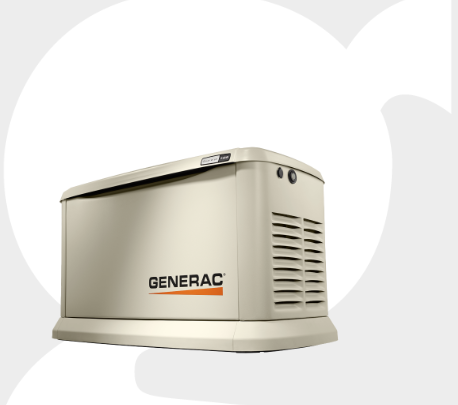
This type of generator needs to be installed and can automatically power an entire home or business during a power outage. It operates on natural gas or propane, is connected to your home’s electrical system, and automatically switches on during power outages, with no manual action required.
Standby generators are ideal for long-term electrical supply during power outages. They are used by hospitals, data centers, and homeowners with medical devices. Installation requires an experienced installer, permits, and transfer switches. While they are more expensive than other generators, they add property value and long-term reliability during emergency events.
4. Industrial Generators
Industrial generators focus on large-scale operations, providing the reliable performance and high output needed to power infrastructure, farms, hospitals, and factories during outages. Diesel is a widely used fuel source, and industrial generators are designed to run for a longer amount of time while handling high electrical loads.
These units, tailored for specific sectors, offer features like remote monitoring, soundproofing, scalability, and integration of renewable energy. They require a lot of room, fuel storage, and expert maintenance to operate at their best because they are made for commercial use.
Popular Key Features
When selecting a generator, prioritize safety, usability, and efficiency features. Look for automatic start systems in standby models that activate during power loss. Consider fuel types: diesel, propane, and gasoline are common, with hybrids available for convenience and runtime.
Noise levels vary; inverter generators and enclosed portables are quieter, while larger diesel units may need noise barriers. Other features like electric start, overload protection, and digital displays improve convenience and help prevent mechanical issues.
How to Choose the Ideal Generator
The Generators 101 guide will help you choose the right generator. However, you should start by figuring out your electrical needs, whether for industrial equipment, appliances, or your home. If portability is important and you intend to use it occasionally, consider a portable or inverter generator. On the other hand, a standby generator, which is usually more expensive, offers automatic, hassle-free backup during power outages.
Your budget is also an important factor. Portable units are more affordable, while standby and industrial generators require a larger investment and may involve installation costs. However, the best generator is the one that fits your lifestyle and keeps you powered when it matters most.
Also Read: Stay Powered Up with Professional Generator Services

Lois Lane is a professional blogger and a seasoned Content writer for wellhousekeeping.com. With a passion for simplifying complex Home Decor topics, he provides valuable insights to a diverse online audience. With four years of experience, Lois has polished his skills as a professional blogger.


