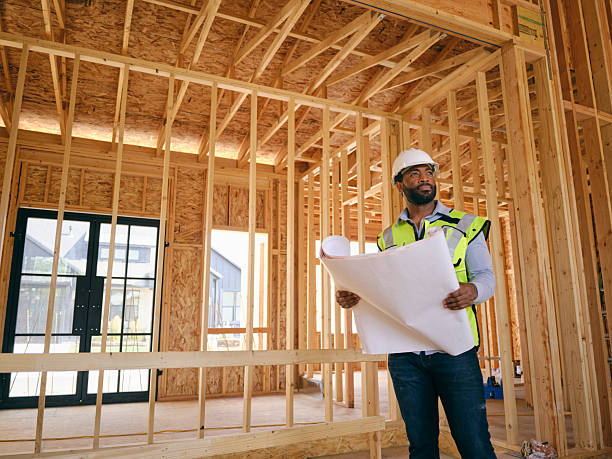

Hiring the wrong roofer can cost you thousands. It can also lead to stress, poor workmanship, and even structural damage to your home. So how do you make sure the company you hire is professional, reliable, and fairly priced?
This guide cuts through the noise. It gives you a simple process to follow. Whether you’re replacing a roof, repairing storm damage, or upgrading materials — these tips will help you make the right call.
Why Choosing the Right Roofer Matters
Your roof is your home’s first defence. Done right, it can last 20 to 50 years. Done wrong, it could leak within months.
The UK sees over 150,000 roofing complaints every year, according to Trading Standards. Many of these involve unlicensed or uninsured contractors. Others are cases of overcharging, poor installation, or unfinished work.
So ask yourself:
- Can I trust this company to protect my home?
- Are they experienced enough to handle my roofing type?
- Do they care about quality—or just the pay cheque?
Let’s break down how to choose the right one.
1. Look for Local Reputation
Start in your own neighbourhood. You need to look and see what makes a roofing company stand out. A company with a strong local track record is easier to research—and harder for you to get scammed by.
What to check:
- Do they have a physical office near you?
- How long have they been operating in your area?
- What do neighbours say about them?
Example:
If you’re in Manchester and a company claims they’ve worked in the area for 10 years, ask for addresses of past jobs. A reputable firm will gladly provide them.
Why it matters:
Storm chasers often appear after heavy winds or hail. They offer cheap repairs, then vanish. Local businesses depend on reputation—they’ll still be around if problems come up later.
2. Verify Licensing and Insurance
Would you let an uninsured driver borrow your car? Then don’t let an unlicensed roofer near your house.
What to ask for:
- Public liability insurance (covers property damage)
- Employers’ liability insurance (covers worker injury)
- Waste carrier licence (if they’ll be disposing old materials)
How to verify:
Ask for copies. Don’t just take their word for it. You can also look up the company on the Companies House website or TrustMark.
Real risk:
A fall from your roof could cost you if they’re not properly covered. Lawsuits can happen—even if you didn’t know they were uninsured.
3. Check Online Reviews—But Read Between the Lines
Sites like Trustpilot, Checkatrade, and Google Reviews are helpful—but they’re not perfect.
Tips for spotting red flags:
- Too many perfect 5-star reviews? Could be fake.
- Vague praise without specific jobs mentioned? Questionable.
- Repeated complaints about communication or delays? Take seriously.
Better approach:
Focus on patterns in reviews. Are most people happy with their experience? Or are the same issues showing up repeatedly?
Pro tip:
Check how the company responds to negative reviews. It says a lot about their professionalism.
4. Ask About Past Work
Don’t be shy. You’re hiring them for an important job—ask to see what they’ve done before.
Questions to ask:
- Can I see photos of recent projects?
- Do you have any customer references I can call?
- Have you worked on properties like mine?
Why it helps:
Roofing techniques vary. Slate, tile, and flat roofs all require different skills. A company that mainly does commercial metal roofs might not be the best fit for your terraced house in Leeds.
5. Get a Detailed Quote in Writing
Verbal quotes aren’t enough. You need a detailed, written estimate that includes every part of the job.
What a good quote should include:
- Cost breakdown (labour, materials, scaffolding, waste removal)
- Start and end dates
- Payment terms (deposit, stages, final payment)
- Guarantees (workmanship and materials)
Watch out for:
- Vague or overly simple quotes
- Pressure to “act now” for a discount
- Large upfront deposits (more than 25% is a red flag)
Tip:
Get at least three quotes to compare. Don’t just go for the cheapest—look at what’s actually being offered.
6. Ask About Guarantees and Aftercare
Even quality roofs can fail—especially under UK weather. Make sure you’re covered if they do.
Ask about:
- Manufacturer warranties (cover the materials)
- Workmanship guarantees (cover the installation)
- What happens if a leak appears months later?
Example:
A roofer might offer a 10-year guarantee on flat roof materials but only 2 years on the labour. Know the difference—and get it in writing.
Good sign:
A company that stands by their work will happily return if there’s an issue. If they dodge the question, it’s a warning sign.
7. Understand the Timeline
A good roofer will set realistic expectations. Avoid those who promise to start “tomorrow” unless you’ve already verified their availability.
Ask upfront:
- How soon can you start?
- How long will the job take?
- What happens if the weather causes delays?
Insight:
Reliable companies are often booked in advance. If someone’s free immediately, ask why.
Also Read:

Lois Lane is a professional blogger and a seasoned Content writer for wellhousekeeping.com. With a passion for simplifying complex Home Decor topics, he provides valuable insights to a diverse online audience. With four years of experience, Lois has polished his skills as a professional blogger.