
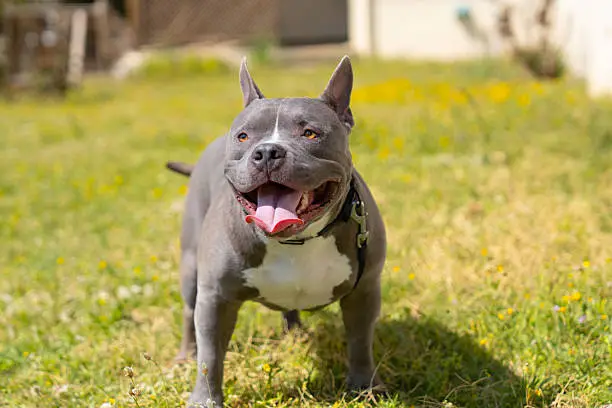
At first glance, XL Pitbulls may seem similar—broad heads, muscular frames, and confident posture. But as they mature, the differences in size can become dramatic. Some dogs stay within expected ranges, while others grow into exceptionally large, heavy-boned animals that stand out immediately.
Understanding why this happens requires looking beyond simple feeding or environment. Size in XL Pitbulls is shaped by a combination of genetics, breeding strategy, and early development—all working together over time.
Page Contents
Genetics: The Foundation of Size
The biggest factor influencing how large an XL Pitbull becomes is genetics. Size is not random—it is inherited.
Dogs that come from bloodlines known for:
- Heavy bone structure
- Wide frames
- Consistent large offspring
are far more likely to grow bigger than average. True large dogs are not “accidents”; they are the result of generations of breeding where size traits are passed down reliably.
This is why two puppies raised in the same environment can grow very differently—because their genetic potential is already set from birth.
Bloodline Consistency vs One-Off Size
One of the most overlooked factors is consistency. Some dogs grow large, but that doesn’t mean their bloodline reliably produces size.
Well-established breeding programs focus on:
- Producing large dogs generation after generation
- Maintaining similar structure and proportions
- Avoiding random or unpredictable outcomes
In contrast, occasional oversized dogs from inconsistent pairings may not pass those traits forward. According to the page, real XXL and XL dogs come from lines that repeatedly produce size—not just one unusually big individual.
Structure Determines How Size Develops
Not every dog can carry extreme size properly. Structure plays a critical role in how large a dog can grow.
Key structural traits include:
- Strong bone density
- Proper joint alignment
- Balanced proportions
- Wide chest and stable frame
Dogs with better structure can support more mass as they mature. Without it, even genetically large dogs may not reach their full potential or may develop imbalances.
This is why breeders emphasize that true size is not just about weight, but about how that weight is supported.
Nutrition and Growth Phases
While genetics sets the ceiling, nutrition influences how close a dog gets to that ceiling.
During early development:
- High-protein diets support muscle growth
- Balanced nutrients aid bone development
- Consistent feeding helps maintain steady growth
XL Pitbulls grow rapidly in their first year, and poor nutrition during this phase can limit their final size. On the other hand, proper feeding helps them fully express their genetic potential.
The Difference Between XL and XXL Growth Outcomes
Another reason for size variation is classification.
Even within similar types:
- Some dogs remain in the XL range (100–140+ lbs)
- Others develop into XXL sizes (120–180+ lbs or more)
This difference often comes down to:
- The specific pairing of parents
- The strength of the bloodline
- How traits combine in each litter
Not every puppy from a large lineage will become extreme in size.
Environment and Physical Development
Environment also plays a supporting role. Puppies raised with:
- Adequate space
- Controlled physical activity
- Proper care
tend to develop stronger frames and better muscle distribution.
However, it’s important to note that environment enhances growth—it doesn’t create size on its own. A dog without the genetic foundation will not become massive purely through lifestyle.
Misconception: Bigger Always Means Better
It’s easy to assume that the largest dogs are the best examples of the breed, but this isn’t always true.
Oversized dogs without proper structure may face:
- Joint stress
- Reduced mobility
- Long-term health issues
That’s why experienced breeders aim for a balance between size and function, ensuring the dog remains stable, mobile, and well-proportioned.
Final Thoughts
The reason some XL Pitbulls grow much larger than others comes down to a layered combination of genetics, bloodline consistency, structural quality, and early development.
Size is not something that can be forced—it is something that is carefully built over generations and supported through proper care. Understanding this distinction helps explain why only certain dogs reach extreme sizes while others remain within standard ranges.
For a deeper look into how size, structure, and bloodlines come together, you can explore this resource:
why some XL Pitbulls grow much larger than others

Lois Lane is a professional blogger and a seasoned Content writer for wellhousekeeping.com. With a passion for simplifying complex Home Decor topics, he provides valuable insights to a diverse online audience. With four years of experience, Lois has polished his skills as a professional blogger.

