
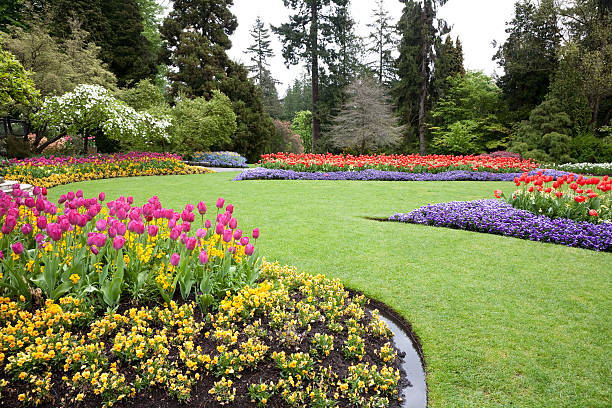
A well-designed landscape is more than just an attractive outdoor space—it’s a strategic investment that can significantly reduce long-term maintenance costs. Many homeowners and property managers assume that hiring professional landscaping services is an added expense, but in reality, it often leads to substantial savings over time. With smarter planning, efficient resource use, and modern landscaping practices, maintaining your outdoor space becomes easier, more cost-effective, and far less time-consuming.
Page Contents
Why Does Poor Landscaping Lead to Higher Costs?
When landscaping is done without proper planning, it often results in recurring problems such as overgrown plants, inefficient irrigation, soil erosion, and pest infestations. These issues demand frequent fixes, which can quickly add up in terms of time, labor, and money.
For example, planting grass or vegetation that isn’t suited to the local climate means higher water usage, more fertilizers, and constant replacements. Similarly, poor drainage systems can damage plant roots and even affect property foundations, leading to costly repairs. This is where professional expertise makes a noticeable difference.
How Do Professional Landscaping Services Optimize Long-Term Savings?
Professional landscapers take a holistic approach. They don’t just focus on how your yard looks today—they design it to thrive with minimal intervention in the future. By understanding soil conditions, climate patterns, and plant compatibility, they create landscapes that naturally require less upkeep.
One of the biggest advantages of hiring experts, including those offering austin landscaping services, is their ability to create efficient irrigation systems. Modern systems use smart technology such as moisture sensors and automated schedules, ensuring plants get the right amount of water without wastage. This directly reduces water bills and prevents plant damage caused by overwatering.
Additionally, professionals strategically select plants that are drought-resistant, pest-resistant, and suitable for the local environment. This reduces the need for chemical treatments, fertilizers, and frequent replacements.
Can Smart Plant Selection Really Lower Maintenance Costs?
Absolutely. Choosing the right plants is one of the most effective ways to reduce ongoing expenses. Native plants, for instance, are naturally adapted to local conditions and require less water, fewer nutrients, and minimal care.
This is where xeriscape landscaping becomes particularly valuable. Xeriscaping focuses on using drought-tolerant plants, efficient irrigation, and soil improvements to minimize water usage. Not only does this approach reduce utility bills, but it also lowers maintenance efforts like mowing, trimming, and fertilizing.
Over time, homeowners who adopt xeriscape landscaping often notice a significant drop in both water consumption and maintenance costs, especially in regions with hot or dry climates.
What Role Does Landscape Design Play in Reducing Maintenance?
A professionally designed landscape is carefully structured to avoid common maintenance challenges. For instance, proper spacing between plants ensures healthy growth and reduces overcrowding, which can lead to disease and constant pruning.
Hardscaping elements such as pathways, patios, and retaining walls also play a crucial role. By incorporating these features, professionals reduce the total area that requires regular care like mowing or watering. High-quality materials used in hardscaping are durable and require minimal upkeep, making them a long-term cost-saving solution.
Moreover, proper grading and drainage planning prevent water accumulation and soil erosion, eliminating the need for frequent repairs and replacements.
How Does Efficient Irrigation Save Money Over Time?
Water management is one of the biggest ongoing costs in landscaping. Traditional irrigation methods often lead to overwatering or uneven distribution, which wastes water and harms plants.
Professional landscaping services implement advanced irrigation systems that are tailored to the specific needs of your landscape. Drip irrigation, for example, delivers water directly to plant roots, minimizing evaporation and runoff. Smart controllers adjust watering schedules based on weather conditions, ensuring optimal efficiency.
These systems not only reduce water bills but also extend the lifespan of plants, further cutting down replacement costs.
Does Professional Maintenance Reduce Future Expenses?
Yes, and this is often overlooked. Regular professional maintenance helps identify potential issues before they become costly problems. Early detection of pests, diseases, or soil deficiencies allows for quick and affordable solutions.
Instead of dealing with major repairs or plant replacements, property owners benefit from consistent, low-cost upkeep. This proactive approach is far more economical than reactive maintenance, which usually involves higher expenses.
Is Investing in Professional Landscaping Worth It?
While the initial investment may seem higher compared to DIY landscaping, the long-term benefits far outweigh the costs. Reduced water usage, lower energy bills, minimal plant replacements, and less frequent maintenance all contribute to substantial savings over time.
Additionally, a well-maintained landscape increases property value and curb appeal, which can be especially beneficial if you plan to sell or rent your property in the future.
FAQs
1. How much can professional landscaping reduce maintenance costs?
The savings vary depending on the property, but many homeowners see a noticeable reduction in water bills, plant replacement costs, and labor expenses within the first year itself.
2. Are professional landscaping services only for large properties?
No, professional landscaping benefits properties of all sizes. Even small yards can be designed for low maintenance and long-term savings with the right approach.
3. How often should a professionally landscaped yard be maintained?
Maintenance frequency depends on the design, but professionally landscaped yards typically require less frequent upkeep compared to traditional landscapes.
4. Can I switch my existing yard to a low-maintenance design?
Yes, existing landscapes can be redesigned using efficient irrigation, native plants, and smart layouts to reduce maintenance costs over time.

Lois Lane is a professional blogger and a seasoned Content writer for wellhousekeeping.com. With a passion for simplifying complex Home Decor topics, he provides valuable insights to a diverse online audience. With four years of experience, Lois has polished his skills as a professional blogger.