Carpets in Dublin homes take a quiet beating. Muddy footprints from rainy afternoons, pollen tracked in during spring walks, pet hair that seems to multiply overnight, and the fine dust that older buildings naturally accumulate—it all settles deep into the fibres. Vacuuming helps, but it only scratches the surface. Eventually, every homeowner reaches the same question: steam cleaning or dry carpet cleaning—what actually works best in Dublin homes?
The honest answer is: it depends. Not on marketing claims, but on moisture levels, housing types, family lifestyles, and how carpets are actually used day to day in Ireland’s climate. This guide breaks down both methods from a practical, experience-based perspective so you can make a confident decision—not just a theoretical one.
Page Contents
Understanding the Two Methods (Without the Sales Talk)
Before comparing results, it’s worth clarifying what these methods really involve—beyond the buzzwords.
What Steam Carpet Cleaning Really Is
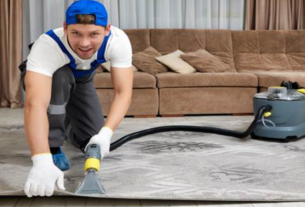
Steam cleaning is more accurately called hot water extraction. Pressurised hot water mixed with cleaning solution is injected deep into the carpet pile, agitating dirt, oils, allergens, and bacteria. A powerful vacuum then extracts most of that moisture along with the loosened debris.
Despite the name, steam itself isn’t what cleans the carpet—the heat and extraction are doing the heavy lifting.
What Dry Carpet Cleaning Actually Means
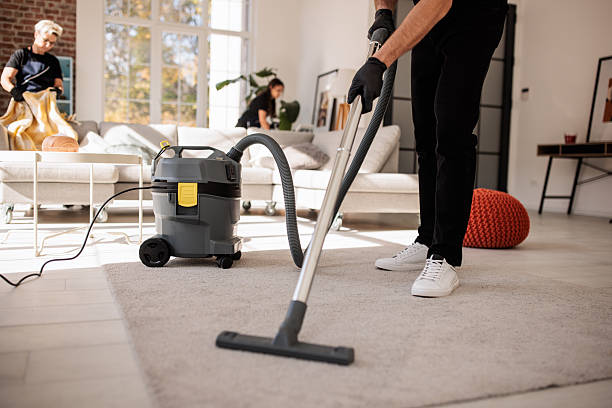
Dry carpet cleaning uses minimal moisture. A specialised compound or powder is worked into the carpet fibres. These compounds bind to dirt and oils, then are vacuumed away once they’ve done their job. Some modern systems use encapsulation solutions that crystallise dirt as they dry.
No soaking. No long drying times. But also, no deep water rinse.
Dublin’s Climate: The Hidden Factor Most Comparisons Ignore
This is where generic advice falls apart.
Dublin’s mild, damp climate changes how carpet cleaning behaves in real homes. High humidity means moisture lingers longer—especially in older properties with limited airflow, solid walls, or poor insulation.
That doesn’t mean steam cleaning is bad. It means drying time becomes a deciding factor, not an afterthought.
Steam Cleaning: When It Shines (and When It Struggles)
The Real Advantages of Steam Cleaning
Steam cleaning is unmatched for deep hygiene:
- Removes embedded dirt and grit
- Breaks down grease, oils, and sticky residues
- Reduces dust mites, bacteria, and allergens
- Refreshes flattened carpet fibres
In family homes with kids, pets, or allergy sufferers, this depth matters. When carpets haven’t been professionally cleaned in years, steam cleaning often delivers the most dramatic transformation.
Steam The Trade-Offs You Need to Consider
cleaning introduces significant moisture. Even with professional-grade extraction, carpets are usually damp for 6–12 hours, sometimes longer in winter or poorly ventilated rooms.
In Dublin homes, this can mean:
- Delayed furniture replacement
- Risk of musty odours if drying is slow
- Not ideal for same-day use rooms
From experience, steam cleaning works best when homeowners can plan ahead—open windows, use heating, and allow proper drying time.
Dry Carpet Cleaning: Practical, Fast, and Underestimated
Why Dry Cleaning Appeals to Dublin Homeowners
Dry carpet cleaning fits modern lifestyles surprisingly well:
- Carpets are usable almost immediately
- No risk of over-wetting
- Ideal for apartments and upper floors
- Less disruption to daily routines
In rental properties, offices, or homes where downtime isn’t an option, dry cleaning solves a real problem.
Where Dry Cleaning Falls Short
Dry methods focus on surface-level cleaning. They’re excellent for maintenance but less effective against:
- Deep-set stains
- Heavily soiled traffic areas
- Embedded pet odours
If a carpet hasn’t been cleaned professionally in years, dry cleaning may improve appearance—but not fully reset the fibres.
Old Dublin Homes vs. Modern Builds: Why Property Type Matters
Dublin’s housing stock isn’t uniform, and cleaning results vary accordingly.
Older terraces and houses often have:
· Period Homes and Older Carpets
- Thicker carpets
- Less subfloor ventilation
- Higher ambient moisture
In these cases, dry cleaning is often safer for routine maintenance, while steam cleaning should be done less frequently and with professional drying management.
New Builds and Well-Ventilated Homes
Modern homes with:
- Better insulation
- Efficient heating
- Improved airflow
These environments support steam cleaning far more effectively. Drying times are shorter, and deep extraction delivers long-term cleanliness benefits.
Allergies, Pets, and Kids: Health-Based Considerations
When Steam Cleaning Makes More Sense
If your household includes:
- Asthma or allergy sufferers
- Pets with shedding or accidents
- Young children playing on carpets
Steam cleaning offers a deeper hygienic reset. The heat and extraction remove allergens rather than just redistributing them.
When Dry Cleaning Is the Smarter Choice
Dry cleaning works well for:
- Regular maintenance between deep cleans
- Homes needing quick turnaround
- Light-to-moderate soiling
Used on a schedule, it can significantly extend the time between steam cleans.
Cost, Frequency, and Long-Term Carpet Care
Steam cleaning typically costs more per visit but is needed less frequently. Dry cleaning is more affordable and suits routine upkeep.
A balanced approach many professionals recommend:
- Steam clean once or twice a year
- Dry clean every 3–6 months
This keeps carpets hygienic without overexposing them to moisture.
The Dublin Reality: It’s Rarely an Either-Or Decision
In practice, most experienced carpet technicians don’t treat this as a rivalry. Each method serves a purpose.
Homes across Dublin vary too much—in layout, age, usage, and humidity—for one method to dominate completely. The best results come from choosing the right method at the right time.
Professional providers like Happy Clean Dublin often assess carpet condition, room ventilation, and lifestyle needs before recommending an approach, rather than defaulting to one method for every job.
So… Which Is Best for Dublin Homes?
Here’s the straight answer:
- Choose steam cleaning if you want a deep reset, improved hygiene, and your home can handle drying time.
- Choose dry carpet cleaning if speed, convenience, and moisture control matter more—and carpets are moderately soiled.
- Use both strategically for the best long-term results.
Carpet cleaning isn’t about winning a debate. It’s about understanding how carpets behave in real Dublin homes—not in brochures.
If you’re unsure which method suits your space, a professional assessment will always outperform guesswork, especially when carpets represent a long-term investment rather than a disposable furnishing.
Clean carpets don’t just look better. They change how a home feels. And choosing the right method is what makes that difference last.
Final Takeaway for Dublin Homeowners
Choosing between steam and dry carpet cleaning isn’t about picking a universally “better” method—it’s about matching the technique to your home, your lifestyle, and Dublin’s unique climate. Steam cleaning delivers a deeper hygienic reset when carpets are heavily used or overdue for professional care, while dry cleaning offers speed, convenience, and moisture control that suits busy households and older properties. For most Dublin homes, the smartest approach is flexible rather than fixed: use each method where it makes sense, and you’ll protect both the look and lifespan of your carpets. Clean floors aren’t just a visual upgrade—they’re a practical investment in comfort, air quality, and everyday living.
Also Read:

Lois Lane is a professional blogger and a seasoned Content writer for wellhousekeeping.com. With a passion for simplifying complex Home Decor topics, he provides valuable insights to a diverse online audience. With four years of experience, Lois has polished his skills as a professional blogger.