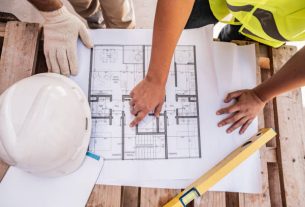

House extension projects are one of the most popular home improvement choices for UK homeowners—and for good reason. Whether you need more space for a growing family, want to increase your property’s value, or simply wish to improve the layout and functionality of your home, a well-designed house extension offers a practical and cost-effective solution.
In a housing market where moving is expensive and disruptive, many people across the UK are choosing to extend their current homes instead. From single-storey kitchen extensions to loft conversions and double-storey rear builds, house extensions allow you to tailor your space exactly to your needs—without changing your address.
In this article, we’ll explore the top benefits of a house extension in the UK and why investing in your current home could be one of the smartest decisions you make.
Page Contents
Add More Living Space Without Moving
One of the most obvious advantages of a house extension is the additional living space it provides. Whether you need a new bedroom, a larger kitchen, a home office, or an open-plan living area, an extension allows you to create the space that suits your lifestyle.
Instead of facing the cost and hassle of moving to a bigger property, you can stay in the neighbourhood you love, keep your children in the same schools, and avoid the stress of packing up and relocating. A house extension allows you to upgrade your living environment while remaining in your existing home.
House Extensions Increase Property Value
In many cases, a house extension adds significant value to your property. According to UK property experts, a well-executed extension can increase your home’s market value by up to 20%, depending on the location and type of extension.
Some of the highest-value extensions include:
- Rear kitchen extensions
- Loft conversions with en-suite bathrooms
- Side return extensions
- Double-storey builds with extra bedrooms
Buyers are increasingly looking for homes with flexible, modern layouts. A thoughtfully designed house extension not only makes your home more functional for you—it makes it more attractive to future buyers.
Tailored to Your Needs
Unlike buying a new home, a house extension gives you complete control over the design and layout of your space. You can work with an architect or designer to create something that meets your exact requirements—whether that’s a bright, open kitchen-diner, a cosy family room, or a quiet garden-facing home office.
Many homeowners in the UK are choosing to extend to accommodate multi-generational living, with annexes or ground-floor bedrooms and bathrooms for elderly relatives or returning adult children. Others want a dedicated space to work from home, especially since remote and hybrid working has become more common.
A house extension allows you to customise your home for your lifestyle—today and in the future.
Improve Layout and Flow
Older UK homes, especially Victorian and Edwardian properties, often have small, segmented rooms and cramped layouts. A house extension gives you the chance to rethink your internal flow and create a more open, connected living space.
Knocking through walls and extending outward can open up your kitchen into a large family dining space, improve natural light, and provide better access to your garden. The result is a home that feels more spacious, functional, and enjoyable to live in.
Avoid Stamp Duty and Moving Costs
Moving house in the UK is expensive. Between stamp duty, estate agent fees, solicitor costs, removal companies, and mortgage arrangement fees, the average move can cost £10,000 to £30,000—and that’s before you even consider the hassle and disruption.
A house extension is a more cost-effective way to gain extra space. While extensions do require investment, you’re putting that money directly into your home, and you’ll often see a return through increased value.
Planning Permission Is Often Not Required
Thanks to Permitted Development Rights, many types of house extensions in the UK can be carried out without applying for full planning permission.
This includes:
- Single-storey rear extensions
- Side return extensions
- Certain types of loft conversions
Of course, you’ll still need to comply with Building Regulations, and there are limits on size and height depending on your property type. But the process is usually faster and more straightforward than most people assume.
Always check with your local planning authority or work with an experienced architect or builder who understands UK planning rules.
Energy Efficiency and Modern Features
Another major benefit of a new house extension is the opportunity to upgrade the energy performance of your home. New builds and extensions must comply with current energy-efficiency regulations, which means better insulation, double or triple glazing, and energy-efficient lighting and heating systems.
Adding a house extension gives you the chance to make your home more sustainable, reduce your energy bills, and improve comfort levels—especially in older properties that may not meet modern standards.
Enhance Kerb Appeal and Aesthetics
A house extension can also improve the external appearance of your home. Whether you opt for a traditional brick build that matches your existing structure or a modern extension with contemporary cladding and bi-fold doors, a well-designed addition can make your property stand out.
This is especially valuable if you plan to sell in the future. A stylish, high-quality house extension can elevate your home’s kerb appeal and make a strong first impression on potential buyers.
Create Income Opportunities
Some homeowners in the UK are using house extensions to generate additional income. By creating a self-contained annex or converting part of your home into a rental studio, you can bring in extra revenue through long-term lets or Airbnb-style holiday rentals.
This is particularly popular in cities, university towns, or areas with high tourist traffic. With the right permissions and setup, your house extension could pay for itself over time.
Long-Term Flexibility and Futureproofing
Life changes—and your home needs to keep up. Whether it’s growing children, working from home, or supporting elderly parents, a house extension gives you the flexibility to adapt without needing to uproot.
Designing your extension with future needs in mind—such as adding an accessible ground-floor bathroom or creating adaptable open-plan spaces—can help you stay in your home longer, even as your circumstances evolve.
Final Thoughts: Is a House Extension Right for You?
The benefits of a house extension in the UK are clear. From increasing space and improving functionality to adding value and futureproofing your home, an extension is a smart, strategic investment—especially in today’s property market.
Whether you’re considering a small kitchen extension, a loft conversion, or a large double-storey build, the key is planning carefully, hiring experienced professional builder, and designing a space that enhances how you live.
So before you start browsing new properties or calling estate agents, ask yourself: could a house extension give you everything you need, right where you are?

Lois Lane is a professional blogger and a seasoned Content writer for wellhousekeeping.com. With a passion for simplifying complex Home Decor topics, he provides valuable insights to a diverse online audience. With four years of experience, Lois has polished his skills as a professional blogger.