
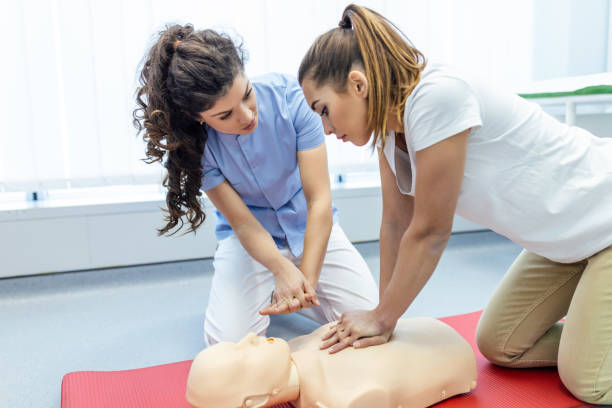
Obtaining a First Aid Certificate is an important step toward becoming someone who can help others in emergencies. Whether you’re a student, a parent, or someone who simply wants to be prepared, learning how to respond in a crisis can save lives. If you’re wondering how to obtain a First Aid Certificate, here’s a simple step-by-step guide to help you through the process.
Page Contents
1. Understand What a First Aid Certificate Is
A First Aid Certificate is proof that you have completed training in basic first aid skills. This training helps you respond to medical emergencies like cuts, burns, fainting, or even more serious situations like heart attacks. Having a certificate shows that you know how to provide care until professional help arrives. It’s not just for healthcare workers—anyone can take this training and make a difference in an emergency.
2. Find a Recognized Training Provider
The first step in obtaining your certificate is to find a recognized organization or service that offers first aid training. Many places offer first aid courses, such as:
- Red Cross
- American Heart Association
- CPR Solutions
Make sure that the organization is certified and accredited. This ensures that the training you receive meets high standards and will be recognized by employers, schools, and other institutions.
3. Choose the Right Course
Once you’ve found a certified provider, you’ll need to choose the course that fits your needs. There are different types of first aid courses based on what you want to learn:
- Basic First Aid: Covers essential skills like how to treat cuts, burns, and how to assist in choking situations.
- CPR and AED Certification: This course focuses on Cardiopulmonary Resuscitation (CPR) and Automated External Defibrillators (AED), essential for saving people who are not breathing or have heart problems.
- Advanced First Aid: More detailed and covers topics such as managing medical emergencies like strokes, heart attacks, and even severe injuries.
Select the course that suits your situation and future needs. For example, if you work in a daycare, a basic course might be enough, but if you’re a coach or teacher, CPR certification might be essential.
4. Register for the Course
After deciding which course is right for you, it’s time to register. Many organizations offer in-person and online classes, so you can choose what works best for your schedule. Online courses are convenient, but hands-on training is often necessary for learning the skills properly. Some courses are a few hours long, while others may take a day or two to complete.
5. Complete the Course
The next step is to attend and complete the course. During your training, you’ll learn how to handle different first aid situations. Expect to participate in activities like role-playing, practicing CPR on mannequins, and discussing how to stay calm in emergencies. The courses often include videos, demonstrations, and written materials to help you learn.
In addition to the basic first aid techniques, you’ll also be taught about safety precautions, such as when to call 911, what to do if someone is having a seizure, and how to manage a person’s injuries while waiting for medical professionals to arrive.
6. Take the Test
After completing the course, you’ll be required to take a test to assess your knowledge and skills. The test may be written, practical, or both. It’s designed to make sure you understand the steps needed to perform first aid correctly. Don’t worry; if you’ve paid attention during the course, you should be able to pass the test without any trouble.
7. Receive Your Certificate
Once you’ve passed the test, you will receive your First Aid Certificate. This certificate is usually valid for two to three years, depending on the organization’s rules. After that time, you may need to take a refresher course or retake the training to renew your certificate.
8. Keep Your Skills Fresh
Even after obtaining your First Aid Certificate, it’s important to keep your skills fresh. Regular practice is key to remembering what to do in an emergency. Consider taking refresher courses or participating in skill practice sessions to stay up-to-date with the latest techniques and guidelines.
Why First Aid Training is Important
Having a First Aid Certificate isn’t just a requirement for certain jobs or activities—it’s a lifesaving skill that can help you make a difference. By knowing how to perform first aid, you’re equipped to help someone who might be injured or experiencing a medical emergency, whether at home, school, work, or in public spaces. It’s a valuable skill that boosts your confidence and can help create safer communities.
Get Your First Aid Certificate Today
Now that you know how to obtain a First Aid Certificate, why not take the next step and get trained today? CPR Solutions offers comprehensive first aid and CPR courses that are perfect for individuals, businesses, and organizations. Our hands-on training will give you the confidence to handle emergencies and help others in their time of need.
Contact us today to register for your first aid course and learn the life-saving skills that could make all the difference in an emergency.
Also Read:
Lois Lane is a professional blogger and a seasoned Content writer for wellhousekeeping.com. With a passion for simplifying complex Home Decor topics, he provides valuable insights to a diverse online audience. With four years of experience, Lois has polished his skills as a professional blogger.